better with gummies.


Suplementos infantiles en gominola
Suplementos infantiles en gominola - 9 products


Type:
kids


Type:
kids


Type:
pack
Pack for growth, energy and daily wellbeing


Type:
kids
Magnesium gummies for children


Type:
kids


Type:
kids
Gummies for their concentration and learning


Type:
pack
Pack for better school performance


Type:
pack
Pack for children's daytime energy and rest


Type:
kids
See more See less
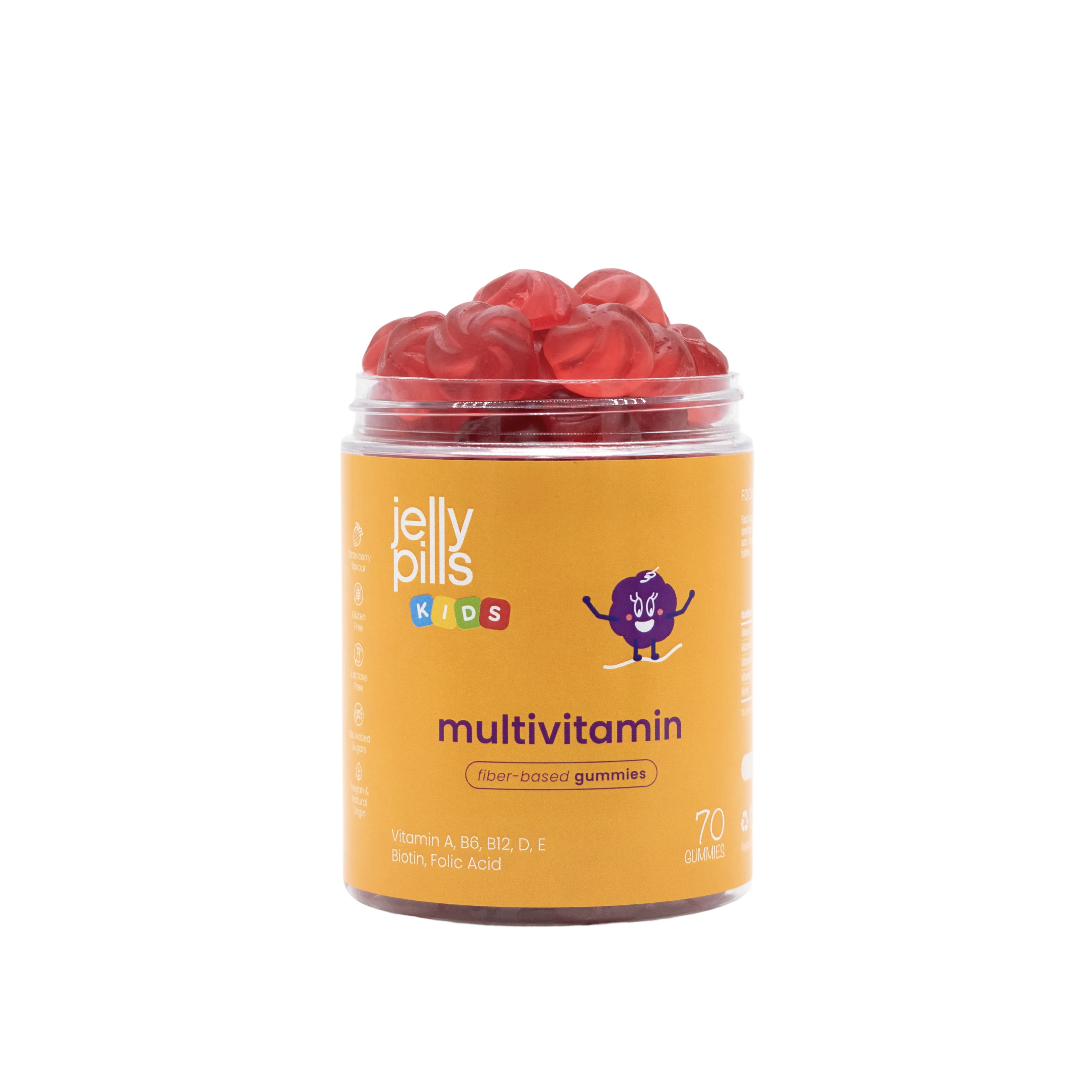
Jelly Pills Kids to support children's routines safely
The Jelly Pills Kids range is designed for families looking for an easy format to complement little ones' routines when it makes sense to do so. With children, safety always comes first: a varied diet, rest, active play, paediatric check-ups and an age-appropriate routine. A jelly can help maintain consistency, but it shouldn't be used as an automatic response to every concern.
Before giving a supplement to a child, the important question has two parts: what they really need and who has assessed it. A child who eats little fruit is not the same as one who is tired from sleeping badly, another with sensitive defences when going back to school, or a case with a specific professional recommendation. In childhood, more products don't mean better care; they mean more ingredients, doses and possible duplications to check.
When a children's jelly may make sense
It can fit specific phases such as changes of season, going back to school, periods of irregular appetite, travel or times when the family needs a simple, easy-to-remember routine. It can also be useful when the traditional format doesn't work well and the paediatrician considers support reasonable. The key is that the product is suitable for the child's age and that an adult supervises it.
If the concern is related to defences, you can look at immune system options, always checking the recommended age and dose. If the focus is energy or vitamins, the vitamins and energy line can guide you, but it doesn't replace an assessment when tiredness persists. For digestion, look at digestive health with particular care, because abdominal pain, diarrhoea, ongoing constipation or weight loss require a consultation.
What to check before giving supplements to children
First, the indicated age. Then the daily dose, directions for use, ingredients, allergens, sugars, sweeteners and warnings. Ingredients such as zinc, vitamin B6 or vitamin C may appear in several formulas; if the child already takes another supplement, fortified milk or another product with vitamins, check for duplication.
How it's presented at home also matters. Even if it has a pleasant texture and flavour, it shouldn't be treated as a sweet. Keep it out of the reach of children, respect the dose and don't let the child decide how many to take. If there are siblings of different ages, don't assume the same routine works for all of them.
Children's habits that should come first
Before adding a product, check the basics: sleep schedules, screen time before bed, breakfasts, snacks, water, fruit, vegetables, pulses, protein, outdoor play and calm routines. Sometimes tiredness improves with more hours of sleep, defences are looked after with hygiene and rest, and appetite changes when schedules are sorted out. A jelly shouldn't replace those adjustments.
You should also avoid using supplements to make up for a very selective diet without working on the cause. If a child refuses entire food groups, gags frequently, loses weight or mealtimes become a battle, it's worth asking for help. The goal isn't to hide the problem, but to support a realistic family strategy.
How to start carefully
Introduce a single product and observe tolerance. For the first few days, pay attention to digestion, skin, sleep, appetite and behaviour. If tummy ache, diarrhoea, a rash, itching, restlessness or any noticeable change appears, stop and seek advice. Don't start several products at once, because you won't know which one causes what.
Choose a fixed, supervised moment, for example after breakfast or an afternoon snack, if the product's directions allow. Explain to the child that it's part of a care routine and that only an adult can give it to them. That education is as important as the formula.
Realistic expectations for families
With children, changes should be interpreted cautiously. A phase of runny noses, tiredness or irregular appetite may depend on sleep, school, growth, stress, common infections or family changes. Don't expect rapid transformations or use the jelly as the only measure. Assess it alongside habits and, if the concern continues, seek advice.
When to seek advice before starting
Seek advice if the child is younger than the indicated age, has significant allergies or chronic illnesses, takes products prescribed by a professional or already uses other supplements. Also if there are repeated fevers, intense tiredness, frequent pain, weight changes, persistent sleep problems or marked food refusal. In these cases, the priority is to understand the context before adding a new routine.
Frequently asked questions about supplements for children
From what age can children take Kids?
It depends on each product. Always check the recommended age on the packaging and seek advice if in doubt.
Can I give an adult dose if my child weighs a lot?
No. For children, you must follow the directions for their age or the professional recommendation.
What should I do if they accidentally take more?
Contact a healthcare professional or poisons information service and have the packaging to hand to report the ingredients and dose.
Can it replace a varied diet?
No. It can support it, but the foundation is still diet, sleep, movement and paediatric check-ups.