Table of contents
We've all started a Monday intending to change everything: getting up earlier, eating better, exercising and sleeping eight hours. And we all know how easy it is to give up after a few days. The problem isn't usually a lack of information about healthy habits, but trying to apply it all at once. This guide is about what you really can keep up in a real routine, without perfect promises or impossible lists.
Why healthy lifestyle habits are so hard to keep up
Before talking about solutions, it's worth understanding why they're so hard to maintain. Many people fail at adopting habits for a healthy life because they try to transform too many things at once. When a new routine demands too much effort, it's normal to return to the familiar path: the old habit.
Add to this the “all or nothing” effect. If you slip up one day, the classic “I've ruined it now, I'll start on Monday” appears. But good health habits don't work like a crash diet. They work through imperfect consistency: doing it fairly well for months is usually more useful than doing it perfectly for two weeks.
The key is to reduce friction. In other words, make the healthy habit the easiest path: leave your trainers next to the bed, prepare fruit already cut or keep your supplements in sight. It doesn't depend only on willpower; it also depends on making it easy for yourself.
Healthy eating habits that have a real impact
Diet is one of the most important pillars, but also one of the most needlessly complicated. It's not about cutting out food groups or obsessively counting calories. The healthy eating habits that last are usually simpler and more sustainable than they seem.
The first is hydration. Many people reach midday having drunk very little water. Starting the day with a glass of water, even before your coffee, is a simple way to look after your routine from the start and support your digestive health as part of more orderly daily habits.
The second is prioritising fibre over restriction. Instead of thinking only about what you shouldn't eat, think about adding more vegetables, pulses and whole fruit. Fibre helps look after your gut microbiota and promotes a greater feeling of fullness. When your plate has fibre and quality protein, there's less room to improvise with ultra-processed foods.
The third, and perhaps one of the most underrated, is eating without screens. The context in which you eat matters almost as much as what you eat. Eating more slowly and attentively helps you notice fullness better and stops meals from being just another quick task between jobs.
Movement as a daily habit, not a punishment
Exercise is often framed as a sacrifice, and that's why it often doesn't last. The most stable healthy lifestyles don't always depend on long or intense workouts, but on consistent movement built into everyday life.
Moving every day, even moderately, can help you look after your cardiovascular health, rest and mood. And it doesn't have to be a full gym session. It can be a brisk walk, taking the stairs, stretching at home or cycling to work.
A very practical strategy is to link movement to something you already do. Walking after lunch, stretching while listening to a podcast or doing a short routine while the kettle boils. These moments don't seem like much on their own, but they add up and reduce the “I don't have time” excuse.
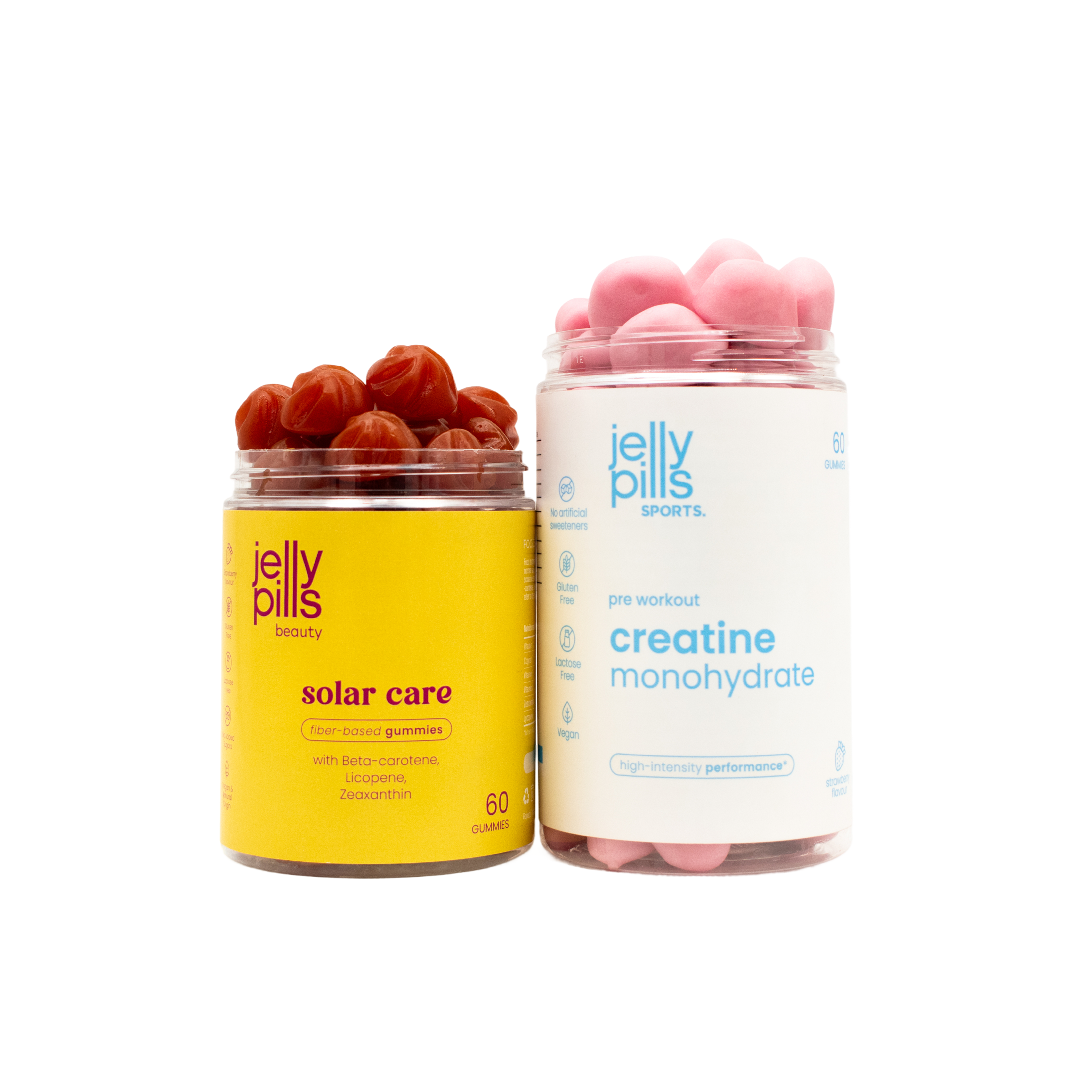
For those looking to go a step further with their physical performance, looking after recovery and energy levels is also part of the routine. Sports supplements in gummy format can be a convenient way to build in that daily support without adding more complications.
 Gummies for sports performance
Rest and stress management, the habits nobody prioritises
If there are two habits that get dropped when “there's no time”, they're sleep and stress management. And they tend to be the ones most noticed when they fail. Sleeping badly makes it harder to make good decisions, move with energy and keep an orderly diet. Sustained stress can also affect your daily routine, rest and general sense of wellbeing.
Sleep hygiene isn't an abstract concept. It's a set of specific, actionable habits:
- Keep a fixed time for going to bed and getting up, even at weekends.
- Avoid screens with blue light for at least forty-five minutes before sleeping.
- Keep the bedroom cool, dark and quiet.
- Avoid caffeine after three in the afternoon.
- Create a transition ritual (reading, breathing, a warm shower) that tells your nervous system it's time to slow down.
For those who occasionally find it hard to fall asleep or keep a stable night-time routine, sleep food supplements with melatonin and magnesium can fit in as support within well-established sleep hygiene.

As for stress, the key isn't to eliminate it completely, but to manage it with simple, sustainable tools. Diaphragmatic breathing, moderate exercise, spending time outdoors and staying socially connected can help much more than it seems when practised regularly.
Tip: if you reach the evening with your mind racing, try 4-7-8 breathing: inhale for 4 seconds, hold for 7 and exhale slowly for 8. Repeating it several times can help you slow down before sleep.
How to build good health habits without wearing yourself out
A sustainable habit usually rests on three elements: cue, routine and reward. The cue is the trigger, such as a time of day, an emotion or a place. The routine is the action itself. And the reward is what makes you want to repeat it. The clearer that loop is, the easier it is to keep up the habit.
The most common mistake is trying to impose routines without linking them to clear cues or real rewards. “I'm going to eat better” isn't a habit; it's an intention. “After breakfast, I prepare my lunchbox for midday” is: it has a cue, a routine and, over time, the satisfaction of feeling good becomes the reward.
These are some levers that speed up the consolidation of healthy lifestyle habits:
- Deliberately start small. A two-minute habit you always stick to is more valuable than an hour-long one you only do sometimes.
- Make it visible. Vitamins on your desk get taken; the ones in the bathroom cabinet, not so much.
- Track it. Marking each day you stick to it on a calendar creates a “don't break the chain” effect that's psychologically very powerful.
- Celebrate small wins. The brain learns through positive reinforcement. Recognising progress, however small, speeds up how quickly the habit becomes automatic.
- Find your tribe. Habits are contagious. Surrounding yourself with people who lead healthy lifestyles makes it easier to keep them up without conscious effort.
The role of supplements in a healthy lifestyle
A healthy lifestyle is built mainly on behaviours: diet, movement, rest and stress management. Even so, there are routines in which it can be hard to cover certain needs through diet alone, whether because of schedules, preferences, particular life stages or lack of planning.
That's where well-formulated supplements can make sense: not as substitutes for a good routine, but as a complement. Vitamins for health and energy with B vitamins and magnesium, for example, can fit in during periods of tiredness, changes of pace or greater daily demand.
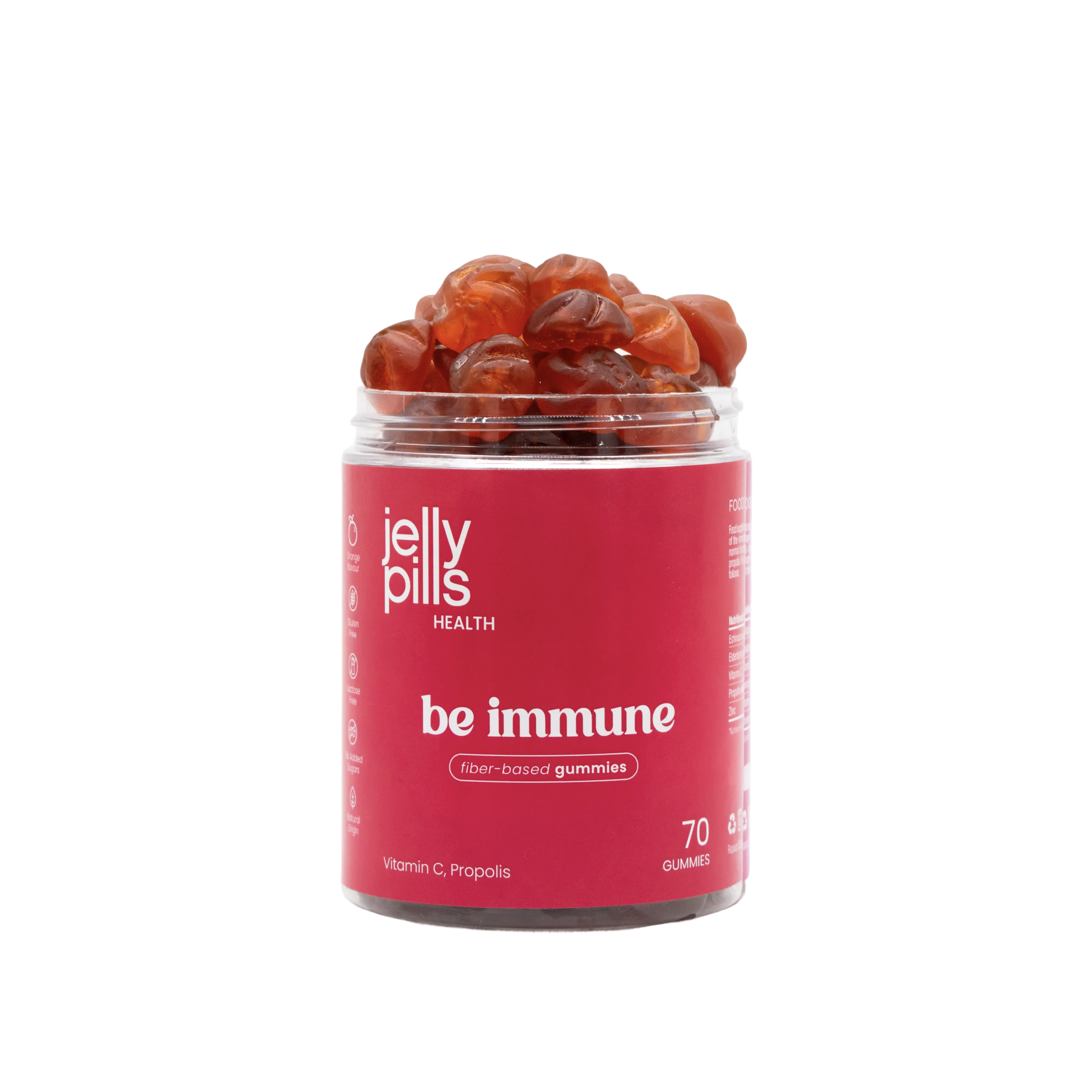
The same goes for immune health: looking after your defences doesn't depend on a single action, but on a combination of habits. Rest, diet, movement and micronutrients work together. The advantage of supplements in gummy format is that they reduce some of the friction of traditional supplementation: they're easy to take, taste good and fit well into your daily routine.
From resolutions to real results
Adopting healthy habits isn't a sprint. It's a gradual process of adjusting your day-to-day. The difference usually isn't in your initial motivation, but in knowing how to get back into your routine after slipping up without turning it into a drama.
Every habit you consolidate changes a little the way you see yourself. You stop being “someone who tries to eat well” and become “someone who looks after what they eat”. It's not about perfection; it's about repeating small decisions often enough that they start to become part of you.
The path to a healthy lifestyle doesn't start with a list of prohibitions. It starts with a small decision, repeated often enough to become automatic. Then you can add another. That pace is much more realistic than trying to change everything at once.