Table of contents
There's a huge difference between knowing you should look after yourself and actually doing it. Most people associate self-care with bubble baths, scented candles or an afternoon off, but the concept goes much further than that. Personal self-care is a conscious, sustained practice that directly transforms how you feel inside, how you manage stress and how much energy you bring to each day.
Understanding what self-care really is, not the Instagram version but the one that works in your routine, is the first step to stop putting it off.
What self-care is and what it's for
Self-care is understood as people's ability to take an active part in their health and wellbeing, recognise their needs and make decisions that help them feel better day to day. In other words, it's the set of habits you consciously keep up to look after yourself physically, mentally and emotionally.
What self-care is for in everyday practice is a question with very specific answers. It helps reduce the impact of built-up stress before it becomes a bigger problem. It helps sustain your energy levels throughout the day without relying on stimulants. It helps improve your baseline mood, not just in the good moments. And above all, it helps build a more honest relationship with yourself, one in which you recognise what you need and act accordingly.
The World Health Organization recognises self-care as an important pillar of public health, and that's no coincidence: when people learn to listen to themselves and manage their habits better, their quality of life can clearly improve, regardless of their starting point.
Why self-care and wellbeing go hand in hand
There's a widespread belief that looking after yourself is selfish, something only people without obligations can afford. That idea is, at best, a misunderstanding; at worst, a trap. Self-care doesn't compete with your responsibilities: it sustains them.
When you don't look after yourself, stress, exhaustion and dissatisfaction build up quietly. First they affect your productivity, then your relationships and finally how you feel. The connection between self-care and wellbeing is direct: sleeping better, moving, eating mindfully and setting boundaries change the way you face the day. Looking after yourself isn't a luxury you allow yourself when everything else is sorted: it's the foundation from which everything else works better.
The most interesting thing is that wellbeing isn't a state you reach once; it's something you actively maintain. Every small decision adds up: getting the sleep you need, moving even a little, eating mindfully or setting a boundary when necessary. The effect isn't immediate, but it's cumulative and very real.
The types of self-care that really matter
Personal self-care isn't monolithic. It unfolds across several dimensions that reinforce each other, and neglecting one ends up affecting the others.
- Physical. Sleeping well, moving regularly, eating mindfully and staying hydrated are the most basic pillars. Your body is the operating system through which you experience everything else; if it's out of tune, everything is harder.
- Mental. Stimulating your mind, managing information overload and giving yourself permission to switch off are forms of mental self-care just as important as exercise. Reading, learning something new or simply reducing digital noise are all part of this.
- Emotional. Recognising what you feel, naming emotions without judging them and seeking support when you need it. Emotional self-care also includes self-compassion: treating yourself with the same kindness you'd show someone you love.
- Social. Keeping meaningful connections, surrounding yourself with people who make you feel good and stepping away from dynamics that drain you is self-care just as legitimate as any other.
- Spiritual. Finding a purpose, connecting with what really matters to you, spending time in nature or having moments of stillness. This dimension isn't about religious beliefs; it's about meaning.
None of these areas is more important than the others. The balance between them all is what creates that deep sense of wellbeing that doesn't depend on external circumstances being perfect.
Self-care for women: a necessary perspective
Self-care for women deserves a specific mention, not because the needs are radically different, but because the obstacles are. Studies on the social factors that shape self-care consistently point out that women more often carry the double shift (paid work and caring for the home or for other people), which reduces the time and energy available to look after themselves.
The result is that many women become experts at caring for others while forgetting to include themselves in the equation. They systematically put others' needs first until exhaustion or a signal from their body forces them to stop.
Looking after yourself isn't taking something away from anyone. It's what allows you to keep giving from a place that isn't empty.
There are stages of life that call for even more conscious self-care. During pregnancy, body and mind go through intense changes that need extra attention. In perimenopause and menopause, hormonal changes can affect sleep, mood and energy in ways that are sometimes normalised or ignored when in fact they can be addressed. Recognising these stages as times that need additional care, not less attention, is part of smart self-care.

How to practise self-care day to day
The theory is clear. The challenge is in the practice, because self-care doesn't work as a one-off event but as a system of habits sustained over time. This is where many plans fail: they start with lots of energy and are abandoned when life gets complicated, just when they're needed most.
The key is to start small and be consistent. A self-care habit you do every day has more impact than a perfect routine you stick to one week a month.
Some practical pillars that make a real difference:
- Sleep as a priority, not the first thing to be sacrificed. Restorative rest is the starting point for everything else. Without it, emotional management, concentration and energy deteriorate predictably. Setting a regular time to go to bed and get up, even at weekends, is one of the changes with the greatest return.
- Movement as a habit, not a punishment. It's not about training hard or having a perfect routine. It's about moving your body regularly in a way that's sustainable for you. Thirty minutes of walking a day already releases endorphins, reduces cortisol and demonstrably improves mood.
- Nutrition as an act of respect for yourself. Eating a balanced diet, staying well hydrated and paying attention to what you give your body is one of the most direct forms of self-care. When your body has the nutrients it needs, everything works better, from digestive health to mental clarity.
- Boundaries as a tool, not rudeness. Saying no when you need to, protecting your time and energy, identifying which relationships or situations drain you: all of this is highly effective emotional self-care. Boundaries aren't set against others; they're set in your favour.
- Consistency over perfection. A journal, five minutes of mindful breathing, a short walk or a good night's sleep don't seem like big gestures. But repeated day after day, they profoundly reshape your baseline wellbeing.
Practical tip: if you feel you don't have time for self-care, start with a single five-minute micro-routine you can repeat every day at the same time, such as breathing mindfully before breakfast. Consistency matters more than duration.
The role of supplements in an all-round self-care routine
Self-care isn't improvised; it's built. And part of building it well is understanding that the body has specific nutritional requirements that aren't always covered by diet alone, especially at times of greater stress, hormonal changes, physical effort or when the pace of life gets tough.
Essential supplements can work as smart support within a well-designed self-care routine. They don't replace habits, but they do fill real gaps: B vitamins and magnesium contribute to normal energy-yielding metabolism; melatonin helps reduce the time taken to fall asleep; omega 3 contributes to the normal function of the heart; and probiotics may support the balance of the microbiota as part of a healthy routine.

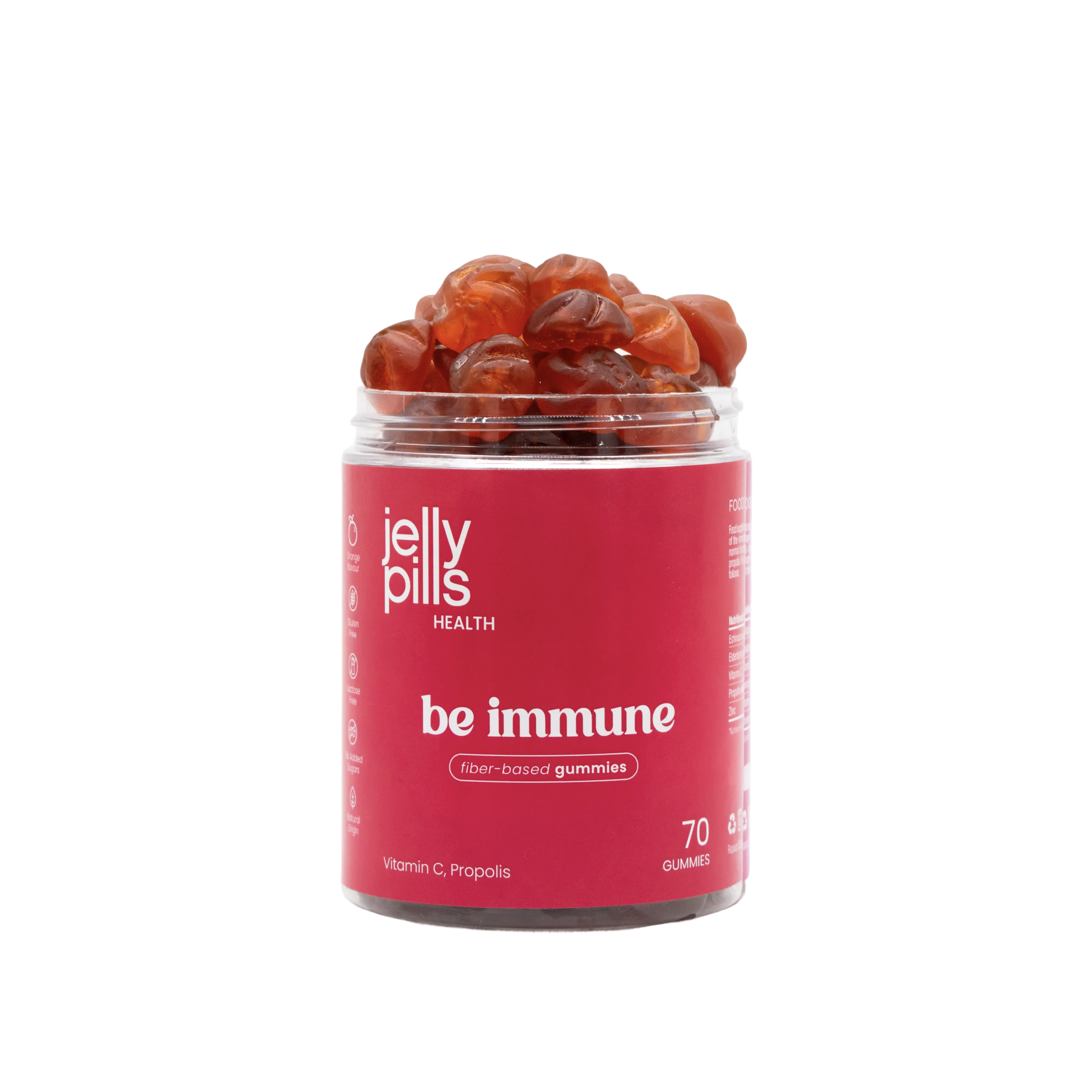
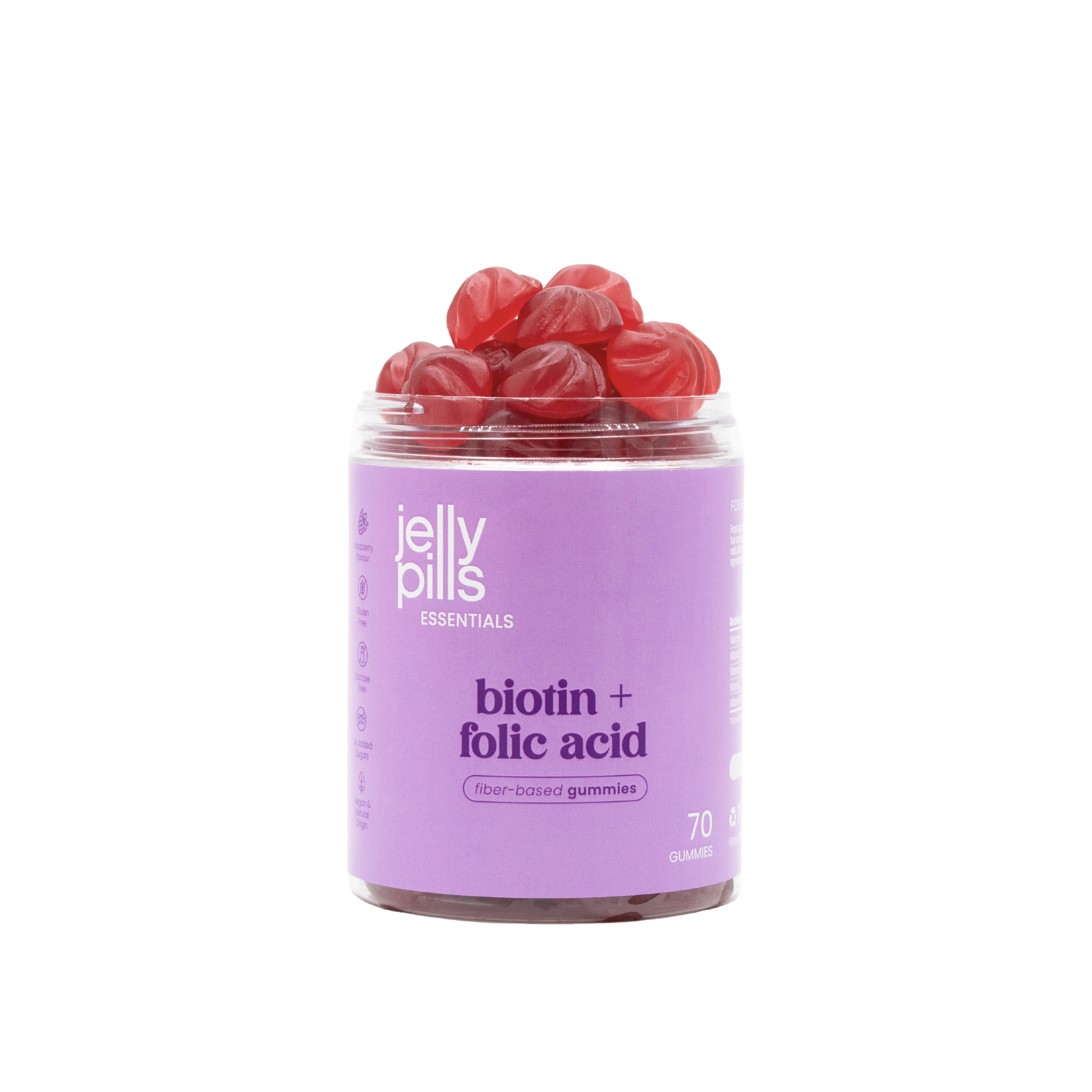
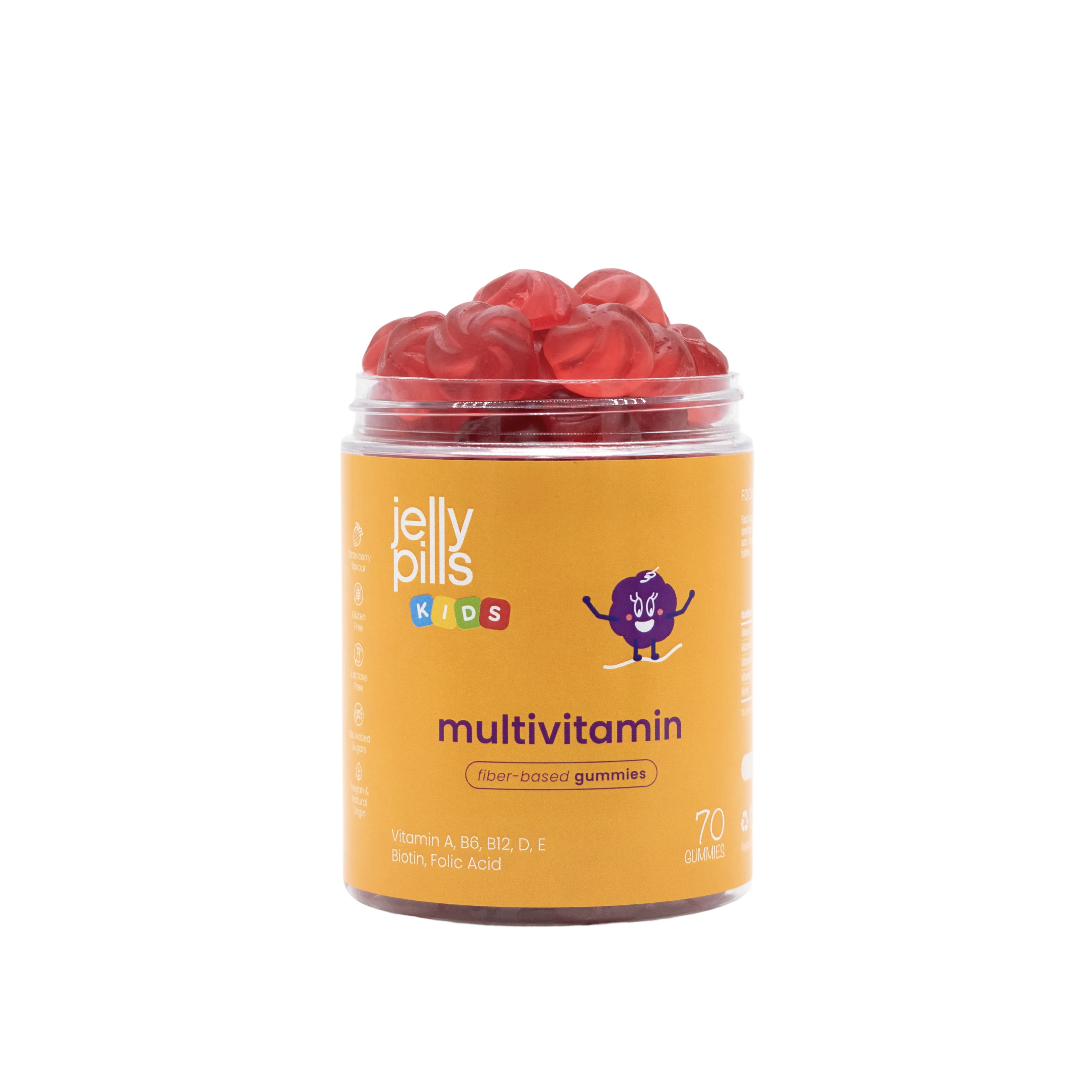
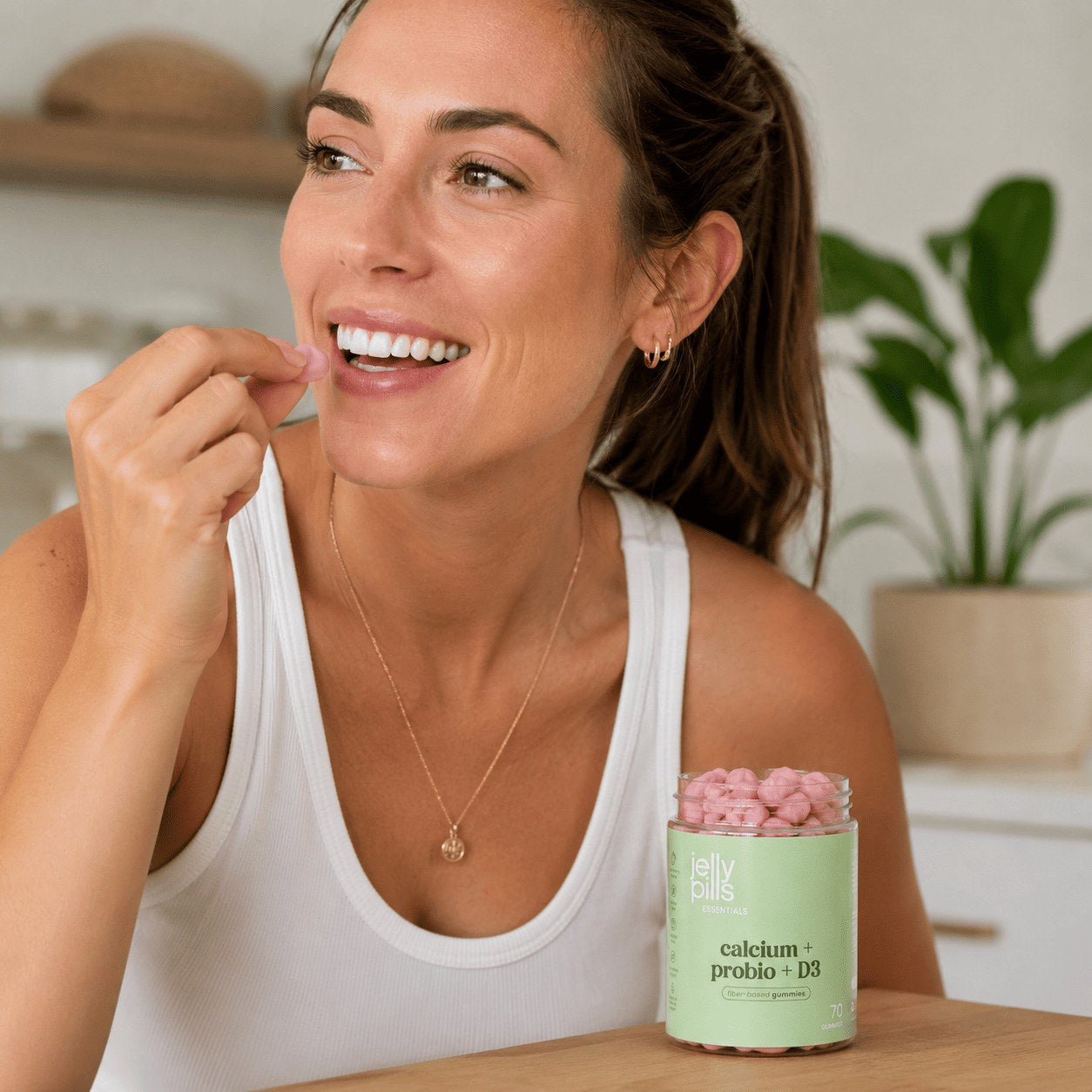
The format matters too. When something is easy and pleasant to take, you simply take it. That's exactly what's behind Jelly Pills' natural supplements in gummy format: turning daily self-care into something that doesn't require extra willpower, because you already have enough on your plate.
Sustainable self-care: from intention to habit
The biggest mistake people make with self-care is treating it as something that switches on in emergency mode, when the body is already at its limit or exhaustion is unsustainable. That reactive approach makes self-care feel like a patch, not a lifestyle.
Sustainable self-care is more like an ongoing investment than a resolved crisis. It's the rest you prioritise every night, not the weekend you finally allow yourself when you're exhausted. It's daily movement, not the marathon you set yourself once a year. It's paying attention to how you feel, not the late realisation that you've been in survival mode for months.
The psychology of behaviour change tells us that habits stick better when they're linked to a clear purpose, are realistically achievable and generate some form of immediate reward. That's why it makes sense to start with what's small and enjoyable: if your first step towards self-care feels good, you'll want to repeat it. And repetition is exactly what builds lasting wellbeing.
Truly looking after yourself isn't an ideal reserved for when you have more time, more energy or fewer obligations. It's something you can start today, with what you have and from where you are. The only requirement is deciding that you also deserve to be on your own list of priorities.