Table of contents
Skin is the body's largest organ and, like any other tissue, it needs nutrients to work properly. What you eat influences its ability to regenerate, stay hydrated and keep a healthy appearance. If you've wondered which foods for your skin really make a difference, here you'll find specific, straightforward answers.
Why diet can help improve your skin
Skin needs a constant supply of certain nutrients to maintain its skin barrier, synthesise collagen and deal with oxidative stress. When your diet is varied and balanced, the body has the resources it needs to carry out those functions.
Collagen is a structural protein that contributes to the firmness and elasticity of the skin. For the body to make it, it needs amino acids obtained from the proteins we eat and vitamin C as an essential cofactor. Without enough vitamin C in the diet, that synthesis suffers.
Similarly, good-quality fats help maintain the cell membrane and retain water inside the cells. The antioxidants found in fruit and vegetables help reduce the oxidative damage that sun, pollution and other external factors inflict on the skin every day.
Improving your skin from within isn't an immediate process, but a diet focused on nourishing it can make a gradual, lasting difference. It's not about looking for miracle solutions, but about consistently giving the body what it needs.
The best foods that improve your skin: what to include in your diet
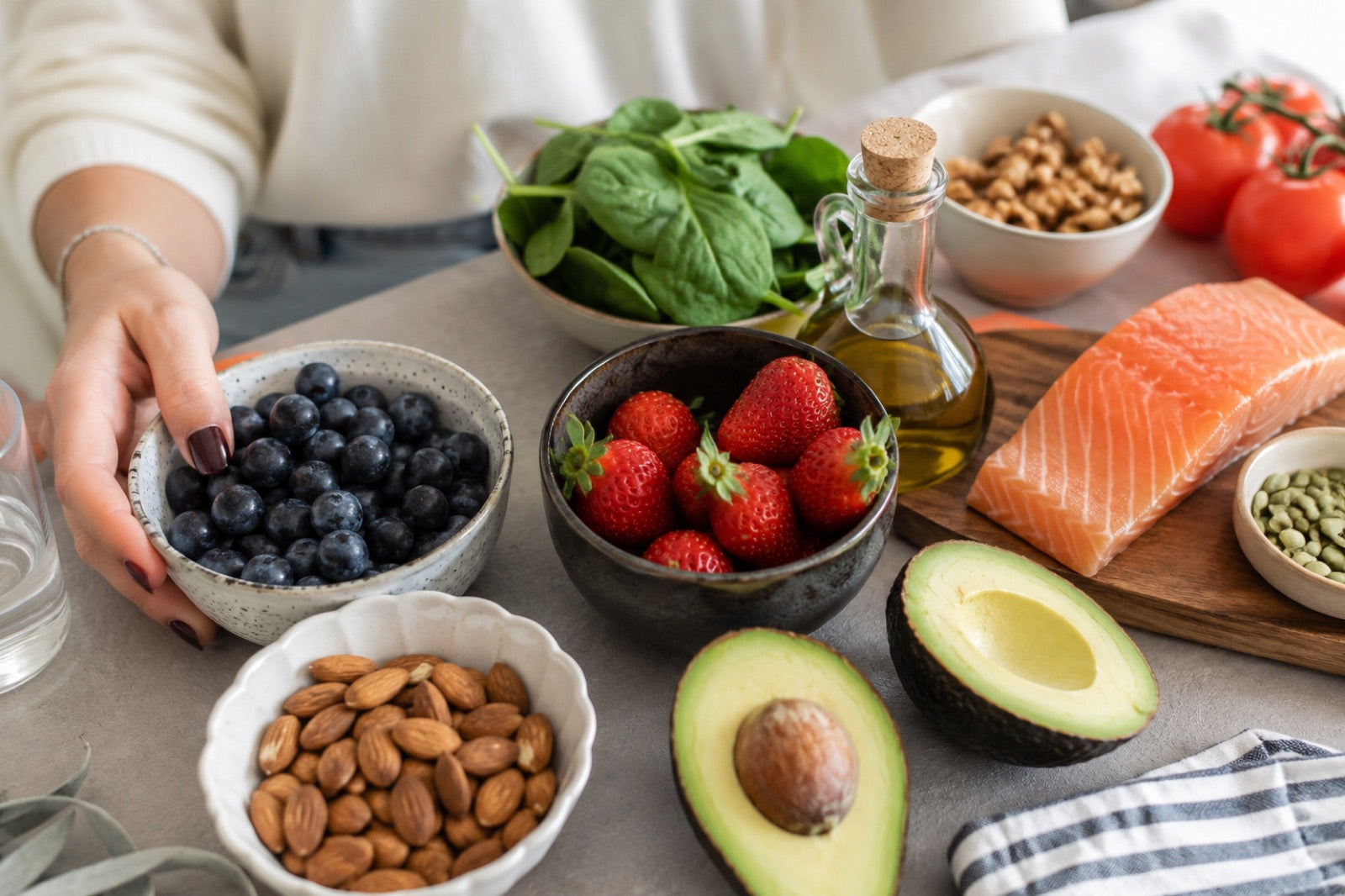
Healthy fats: omega 3, avocado and nuts
Fats are essential for keeping skin hydrated from within. They don't all act the same way, but two groups stand out in particular.
Omega 3, found in oily fish (salmon, sardines, mackerel), walnuts and flax and chia seeds, helps reduce inflammation and keep the skin's lipid barrier in good condition. A healthy skin barrier retains moisture better and defends itself more effectively against external aggressors.
Avocado provides monounsaturated fatty acids and vitamin E, which work together to help skin keep its elasticity and softness. Nuts, especially almonds and walnuts, are also a practical source of quality fats and vitamin E. Including them regularly is a simple way to contribute to skin health without big changes to your daily routine.
Foods rich in vitamin C: strawberries, peppers and kiwi
Vitamin C is one of the nutrients most associated with skin health. It's directly involved in collagen synthesis and acts as an antioxidant, helping to neutralise the free radicals that speed up cell deterioration.
Strawberries, red and yellow peppers, kiwi, citrus fruits and broccoli are some of the best sources of vitamin C in the diet. Including one or several of these foods every day is an accessible way to cover your requirements for this nutrient, without needing to resort to supplementation in most cases.
Zinc and protein for skin structure
Zinc is a mineral involved in repairing skin tissue and regulating the cells that produce sebum. It's found mainly in pulses (chickpeas, lentils), nuts, pumpkin seeds, meat and shellfish.
Proteins are the building blocks of collagen and keratin, the protein that forms the skin's surface layer. Eggs, pulses, fish and lean meats are protein sources worth keeping in your usual diet. A low-protein diet can make it harder for skin tissue to regenerate, which is especially relevant from the age of 40, when collagen synthesis naturally starts to slow down.
Hydrating foods for the skin: water, electrolytes and plenty of vegetables
Skin hydration depends partly on the body's overall level of hydration. Drinking water is important, but so is eating foods with a high water and electrolyte content that help retain it in the tissues.
Cucumber, watermelon, tomato, celery, asparagus and strawberries are among the hydrating foods with the greatest impact on the skin. As well as water, they provide minerals and antioxidants that boost their benefits for the skin.
Unsweetened plant-based drinks, homemade broths and caffeine-free infusions also contribute to total hydration. It's not just about how much water you drink, but how well your body uses it and how much you support it with what you eat.
Plant antioxidants: berries, green tea and spices
Antioxidants are compounds that help neutralise free radicals, unstable molecules formed through exposure to sun, pollution, stress and other everyday factors. An excessive build-up of free radicals contributes to the deterioration of collagen and elastin.
Berries (blueberries, blackberries, raspberries) are particularly rich in antioxidants. Green tea contains catechins with well-documented antioxidant properties. Pure cocoa, tomato (rich in lycopene), carrots (rich in beta-carotene) and turmeric complete a plant-based arsenal that deserves a regular place in any diet focused on skin care.
Habits that amplify the effect of foods for your skin
Eating well is the starting point, but there are other habits that directly influence the state of your skin:
Get enough sleep. During sleep, skin activates its repair and regeneration processes. Lack of rest quickly shows in its appearance and in its ability to stay hydrated.
Protect yourself from the sun. No food replaces sun protection, but a diet rich in antioxidants can support the body's response to ultraviolet damage. Always as a complement to sunscreen, never as a substitute.
Limit alcohol and tobacco. Both contribute to oxidative stress and hinder the absorption of key nutrients for the skin, such as vitamin C and zinc.
Manage stress. Chronically high cortisol can disrupt the skin barrier. Regular physical activity, breathing techniques and active rest are resources that help balance that response.
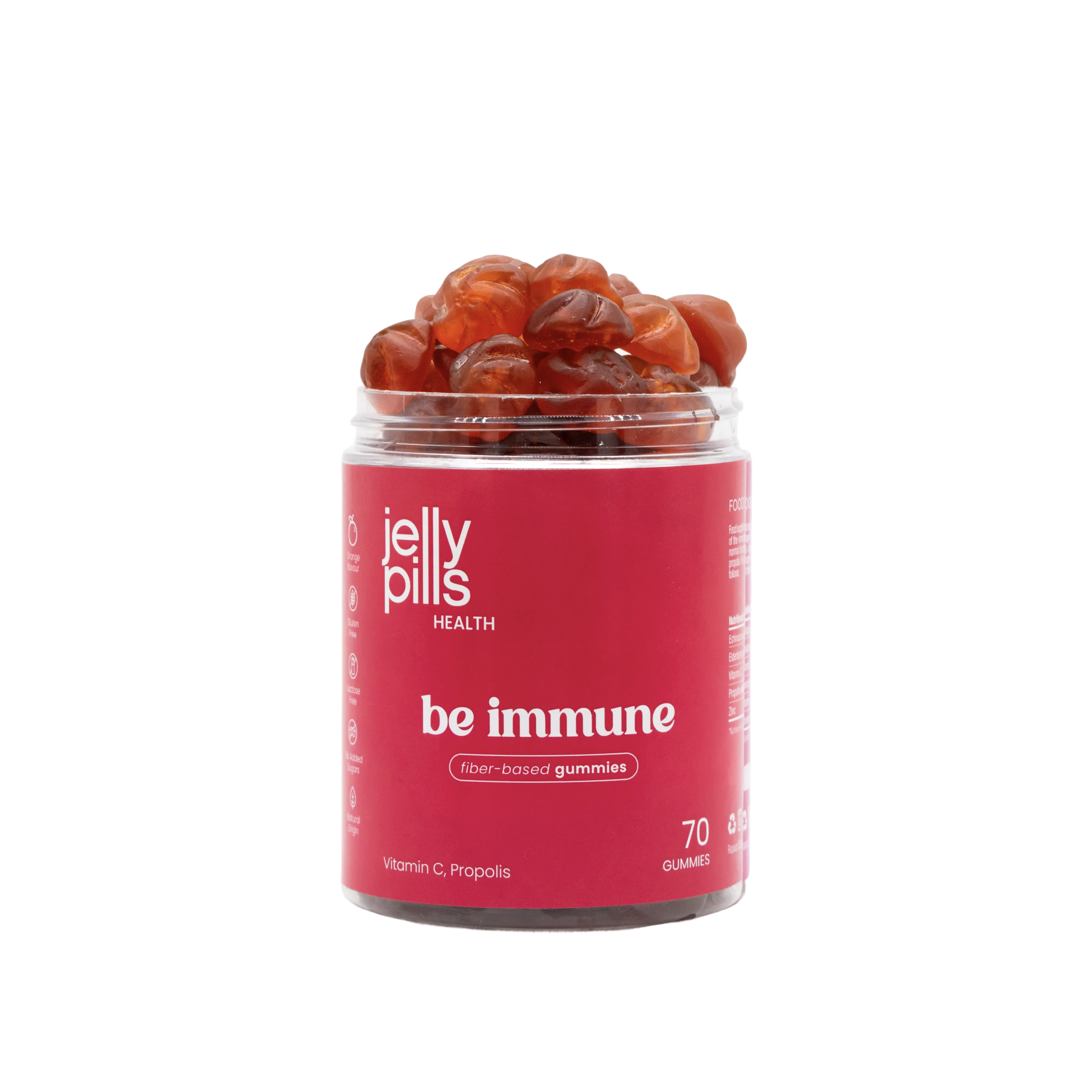
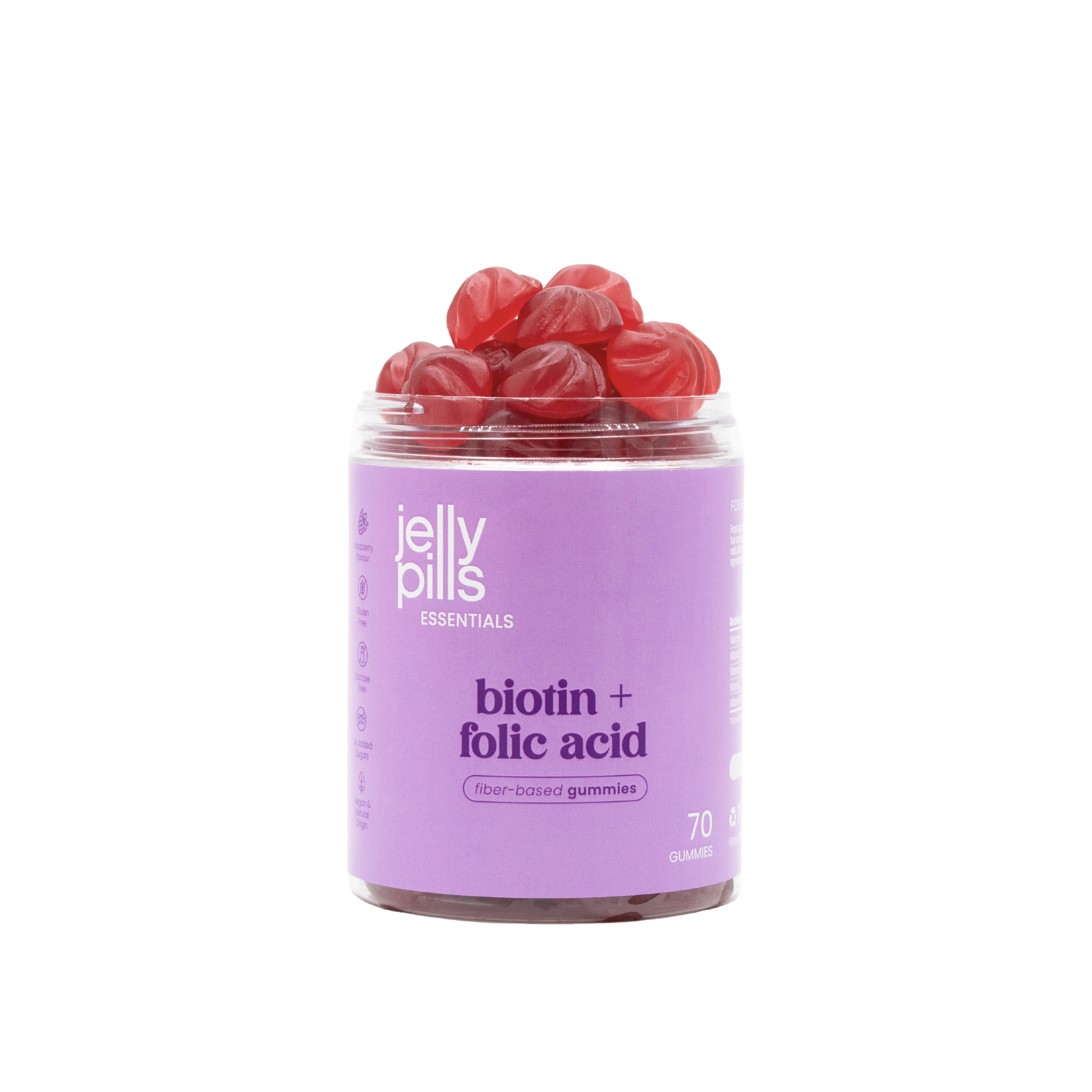
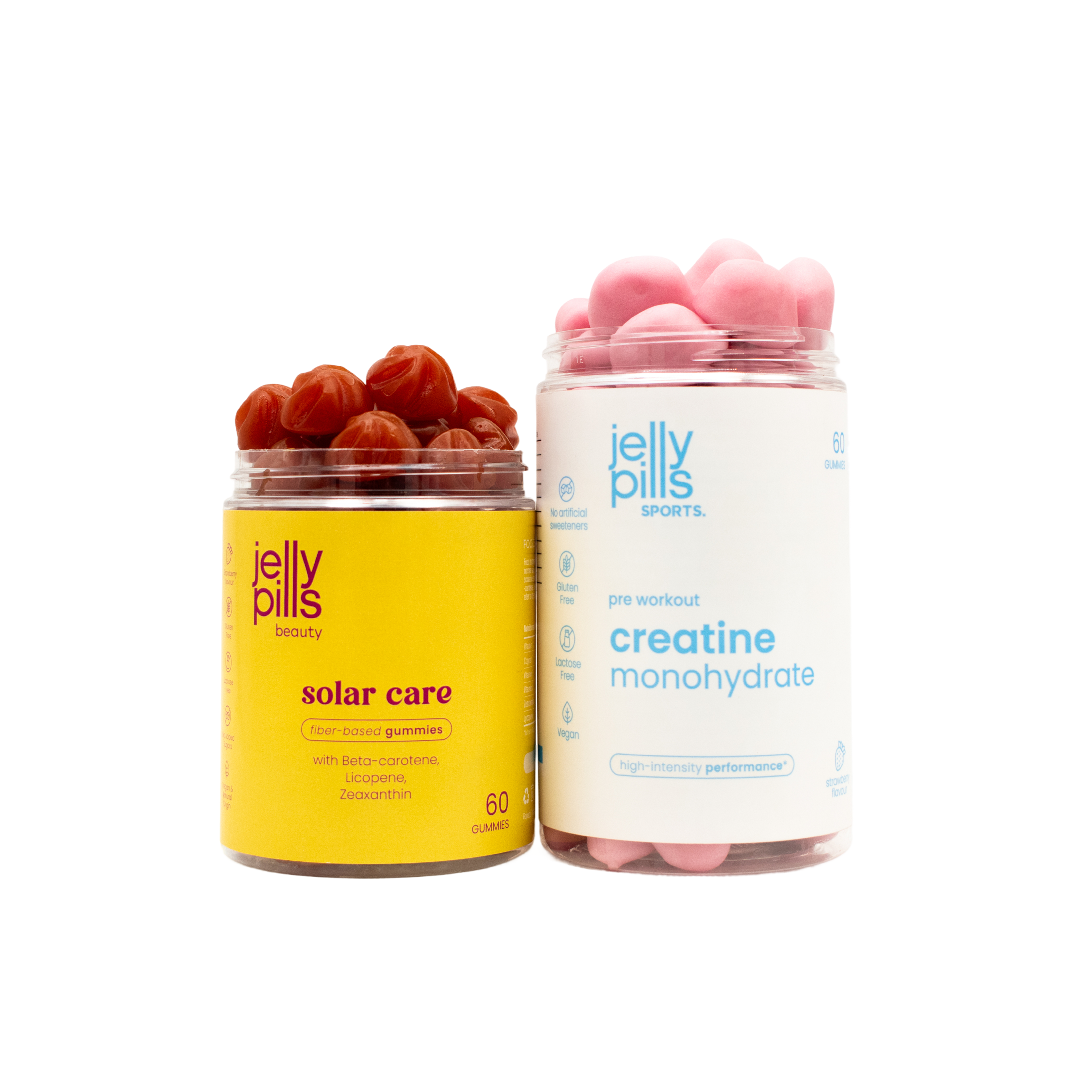
If you're interested in exploring how supplementation can fit into an all-round care routine, Jelly Pills beauty supplements are formulated to support skin, hair and nails from within, in gummy format and with no added sugar.
When it makes sense to complement your diet with supplements
A balanced diet should provide most of the nutrients your skin needs. But there are situations in which supplementation can make sense as additional support: stages of greater nutritional demand, very restrictive diets, periods of sustained stress or simply when it's hard to keep up a varied diet consistently.
In that context, some ingredients are particularly relevant for the skin. Hydrolysed collagen, resveratrol, vitamin C, biotin and omega 3 appear frequently in formulations focused on skin care, with a growing evidence base.
The Jelly Pills range includes options designed precisely for this. Gummies for skin firmness and elasticity, collagen and resveratrol gummies or omega 3 gummies are examples of products that can accompany a diet focused on skin care. If you'd rather go straight to the category, you'll find all the options together in skin supplements.
There are also combined formats, such as the pack for clear, firm and radiant skin or the pack for radiant skin, which bring several actives together in a single routine. If hair care interests you too, Jelly Pills hair and nail supplements include biotin and vitamins that work on the same metabolic pathways that benefit the skin.
Supplements are exactly that: supplements. They work best when they accompany a balanced diet and healthy habits, not when they replace them.
Which foods to limit if you want to look after your skin
It's not about banning anything, but about understanding what can hinder the work of the nutrients we've just looked at.
Too much sugar promotes a process called glycation, in which glucose molecules bind to collagen and elastin, making them stiffer and less functional. Ultra-processed foods, rich in refined sugars and low-quality fats, can contribute to greater systemic inflammation, which shows in the skin over time.
Alcohol interferes with hydration and hinders the absorption of vitamins and minerals key for the skin. Cutting down is one of the most direct measures you can take. Tobacco, meanwhile, reduces oxygen flow to skin tissue and speeds up collagen deterioration.
Knowing the impact of these factors doesn't have to translate into absolute restrictions, but it can lead to more informed, conscious decisions about how often they appear in your diet.
Summary: what to put on your plate to support your skin
If you had to stick to the food groups that contribute most to healthy skin, they would be these:
- Oily fish and flax or chia seeds (omega 3)
- Red berries, peppers, kiwi and citrus fruits (vitamin C and antioxidants)
- Avocado, nuts and extra virgin olive oil (healthy fats)
- Pulses, eggs and lean meats (protein and zinc)
- Cucumber, watermelon, tomato and green leafy vegetables (hydration and minerals)
- Green tea, turmeric and pure cocoa (additional antioxidants)
You don't need to eat them all every day. What matters is that they're present regularly and that your diet as a whole is varied and focused on nourishing your body overall. Consistency counts more than perfection.
For those looking for extra support or wanting to reinforce their routine, at Jelly Pills you can buy natural supplements in gummy format, with no added sugar and vegan formulas. A way to add key actives to your day without it becoming another chore.
Frequently asked questions
What are the most important foods for improving your skin from within?
The most relevant foods for the skin are those rich in vitamin C (strawberries, peppers, kiwi), omega 3 (oily fish, walnuts, flax seeds), zinc (pulses, pumpkin seeds), quality protein and antioxidants (berries, green tea, tomato). A diet that includes these groups regularly lays the foundations for well-nourished skin.
Which foods help hydrate the skin from within?
Foods with the highest water content, such as cucumber, watermelon, tomato, asparagus and strawberries, contribute to the body's overall hydration, which also shows in the skin. Healthy fats, such as those in avocado and olive oil, help maintain the skin's lipid barrier, which is responsible for retaining moisture in the cells and protecting against external aggressors.
Can supplements complement your diet to look after your skin?
Yes, in certain circumstances. If your diet is varied and balanced, supplements aren't essential. But at stages of greater nutritional demand, with very restrictive diets or during periods of sustained stress, a well-formulated supplement can provide additional support. Ingredients such as collagen, resveratrol, vitamin C and omega 3 have evidence of interest for the skin. Ideally, use them as a complement to a good diet, not as a substitute.
How long does it take to notice the effect of improving your diet on your skin?
Changes in the skin through diet are gradual. The first visible results usually appear between four and eight weeks after consistently keeping to a balanced diet. Skin renews itself continuously, but complete cell regeneration cycles can take several weeks. In this case, consistency is the most decisive factor.