Table of contents
There's a feeling many people know all too well: reaching mid-morning with a foggy mind, reaching for a cup of coffee like a lifeline and still dragging yourself through to the afternoon. Exhaustion has become so normal it almost seems inevitable, but it doesn't always have to be part of your routine.
Knowing how to have more energy during the day isn't about taking more stimulants or pushing through however you can. It's about understanding what really gives the body energy and building habits that sustain it naturally and consistently. In this article you'll find realistic strategies to rely less on coffee and feel better from the start of the day.
Why you lack energy even if you sleep enough hours
One of the most common mistakes is assuming tiredness is always a sleep problem. And although sleeping well is essential, the chronic fatigue we drag around during the day usually has deeper and more varied roots.
According to the Centers for Disease Control and Prevention, around 15% of women and 10% of men often feel tired or exhausted. In many cases, the cause isn't a serious illness but a combination of everyday factors that can perfectly well be changed: an unbalanced diet, dehydration, a sedentary lifestyle, too much screen time and how stress is managed.
The body works as an interconnected system. When one of those pillars fails, the others feel it. That's why learning how to get more energy means looking at the whole picture: not just the hours in bed, but what you eat, how you move, how you breathe and what you ask of your nervous system every day. The good news is that small, well-targeted changes can be noticed sooner than you might think.
What gives the body energy at a physiological level
Before talking about solutions, it's worth understanding the mechanism. The energy the body experiences doesn't fall from the sky: it's produced. Mitochondria, the power stations of our cells, transform the nutrients you eat into ATP, the currency of cellular energy. If they lack raw materials or are saturated with metabolic toxins, production drops.
Several nutrients are key in this process: B vitamins (especially B1, B2, B3, B5, B6 and B12), magnesium, iron, coenzyme Q10 and essential amino acids, among others. A diet low in any of them can translate into that “my batteries are flat” feeling. This is where well-formulated supplements can help complete your routine, especially when your diet doesn't cover every front.
On the other hand, blood glucose plays a leading role in how you feel from one moment to the next. Sharp rises and falls in sugar, caused by ultra-processed foods or unbalanced meals, are the main culprits behind those energy slumps mid-morning and after lunch. Understanding this completely changes the way you choose what you eat.
How to have energy all day with the right diet
Diet is one of the most powerful levers for learning how to increase your energy in a sustained way. It's not about eating less or following a restrictive diet: it's about eating smartly.
The key concept is slow-release energy. Foods that combine fibre, protein and complex carbohydrates release glucose into the blood gradually, keeping energy levels stable for hours. Simple sugars and ultra-processed foods, on the other hand, create a quick spike followed by a slump that leaves you more exhausted than before.
Some guidelines that make a difference:
- Have a breakfast with protein and healthy fats: eggs, avocado, nuts or natural yoghurt. Avoid sugary cereals and pastries that send your sugar soaring.
- Choose smart snacks: a piece of fruit combined with a handful of almonds, cheese or edamame usually sustains energy better than an industrial energy bar loaded with sugar.
- Include whole grains in your meals: quinoa, brown rice, oats or buckwheat provide steady energy without the glycaemic spikes of their refined versions.
- Don't make your midday meal too light: a meagre plate leaves the body with gaps that are later filled with cravings for refined carbohydrates. The balance lies in a complete, filling plate.
- Look after your dinner: eating a light dinner at a reasonable time allows calm digestion and restorative sleep. The two go hand in hand.
Hydration is also a hugely underestimated factor. Dehydration slows circulation and forces the heart to work harder to supply oxygen to the brain, which translates into sluggishness and lack of concentration. Before reaching for another coffee, drink a large glass of water. Often, that's enough.
Daily habits for how to have more energy without stimulants
Diet is the foundation, but daily habits determine how you feel hour by hour. There are small rituals that, built in consistently, can have a clear cumulative impact on your vitality.
Getting up without rushing is one of the most underrated. It's not about getting up early for the sake of it, but about not leaping out of bed into chaos. Every time you hit snooze for five more minutes, your body experiences cortisol spikes that confuse it and cause fatigue from the very start of the day. Getting up at the first alarm, calmly, changes the hormonal tone of the whole morning.
Getting outdoors for at least 20 minutes during the day also helps. Exposure to natural light and open spaces is associated with better perceived vitality, and also helps regulate your circadian rhythm, the internal clock that influences when you feel active and when drowsiness sets in.
Moderate physical movement is another great energy generator. It may seem paradoxical to spend energy to get more, but physiologically it makes complete sense: exercise improves mitochondrial efficiency, brain oxygenation and hormonal regulation. You don't need an intense session: a brisk 20-minute walk or 10 minutes of stretching mid-afternoon can get you out of the 5pm slump without any stimulants.
The impact of sleep and rest on how to get more energy
Talking about how to have energy all day without talking about sleep would be incomplete. Night-time rest is when the body consolidates memory, repairs tissues, regulates hormones and recharges its energy reserves for the next day. Sleeping badly isn't just feeling tired: it compromises every system.
But beyond the hours, quality matters. And sleep quality starts long before you get into bed. Preparing your body for rest is an active practice, not a passive one.
From 8 or 9 in the evening, your body should start receiving signals that it's time to slow down. That means reducing screen exposure (blue light inhibits melatonin production), dimming the lights at home, avoiding intense exercise at night and eating a light dinner. A consistent sleep routine is, in itself, an energy strategy for the next day.
Being permanently connected to social media and screens creates a kind of mental exhaustion that's hard to recover from with sleep alone. Setting a digital switch-off time, even just an hour before bed, has a direct impact on how deeply you rest and, therefore, on your energy the next day.
Natural supplements to increase energy intelligently
When your habits are on the right track but your body still feels something is missing, natural supplements can make a difference. They're not magic and they don't replace a good foundation of habits, but they can be a practical tool to provide nutrients your diet doesn't always cover.
Among the most interesting for supporting energy levels are:
- Vitamin B12: essential for neurological function and red blood cell production. Deficiency is a direct cause of fatigue.
- Magnesium: a cofactor in more than 300 enzymatic reactions, including ATP production. Magnesium deficiency is one of the most widespread, and silent.
- Iron: essential for oxygen transport. Women in particular may be at greater risk of low levels, especially with heavy periods or restrictive diets.
- Coenzyme Q10: acts directly in the mitochondrial energy production chain.
- Adaptogens such as ginseng or ashwagandha: help the body manage stress, which is one of the biggest silent consumers of energy.
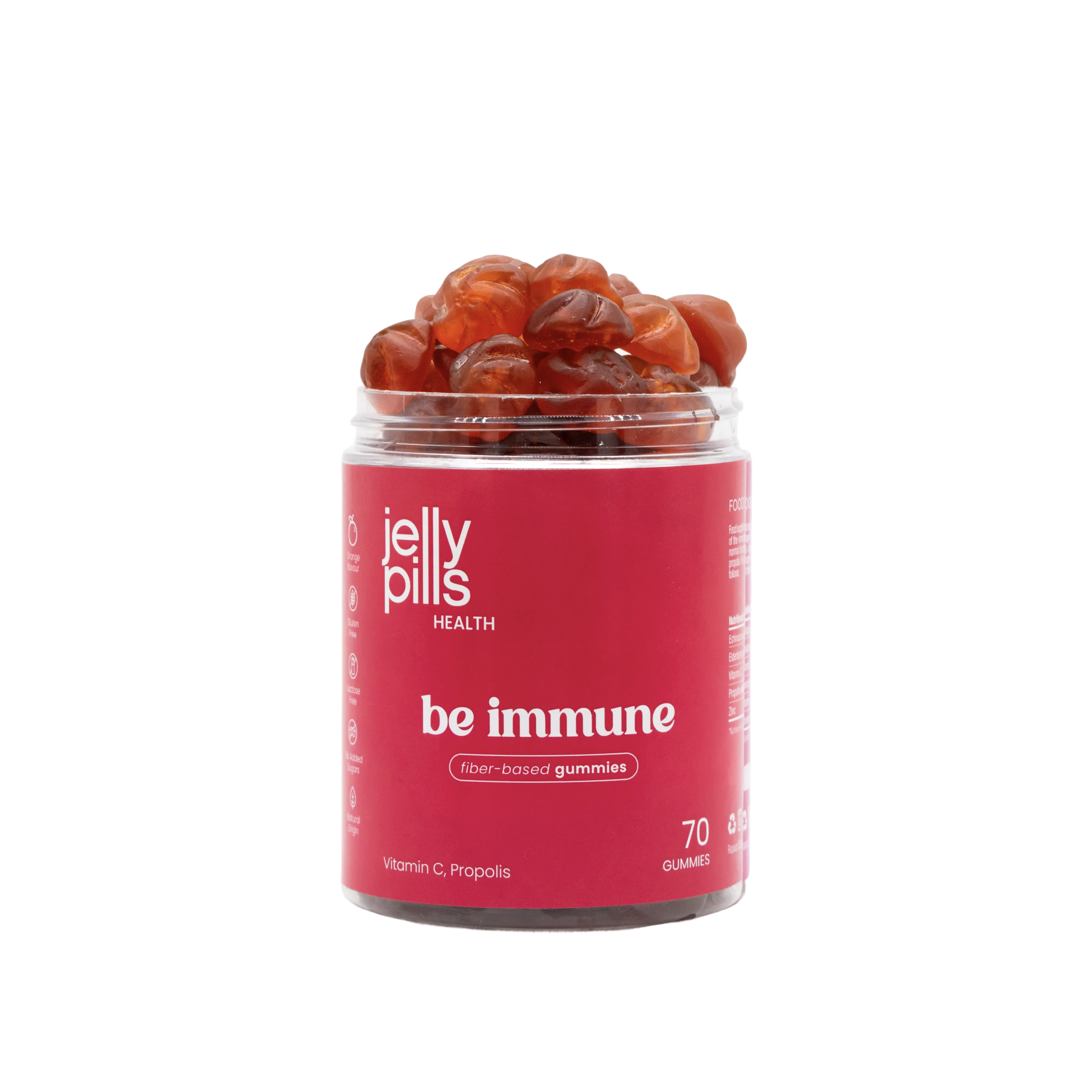
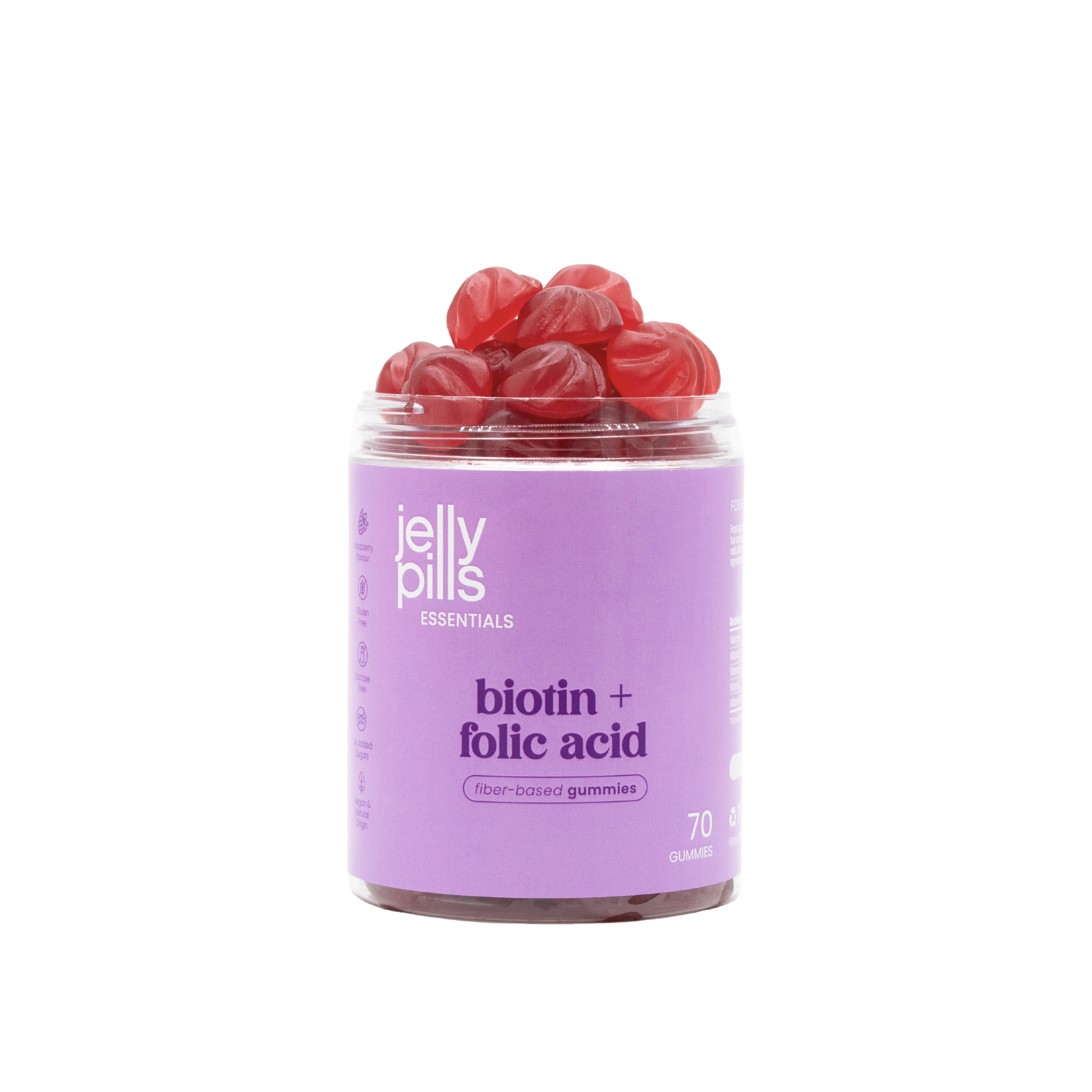
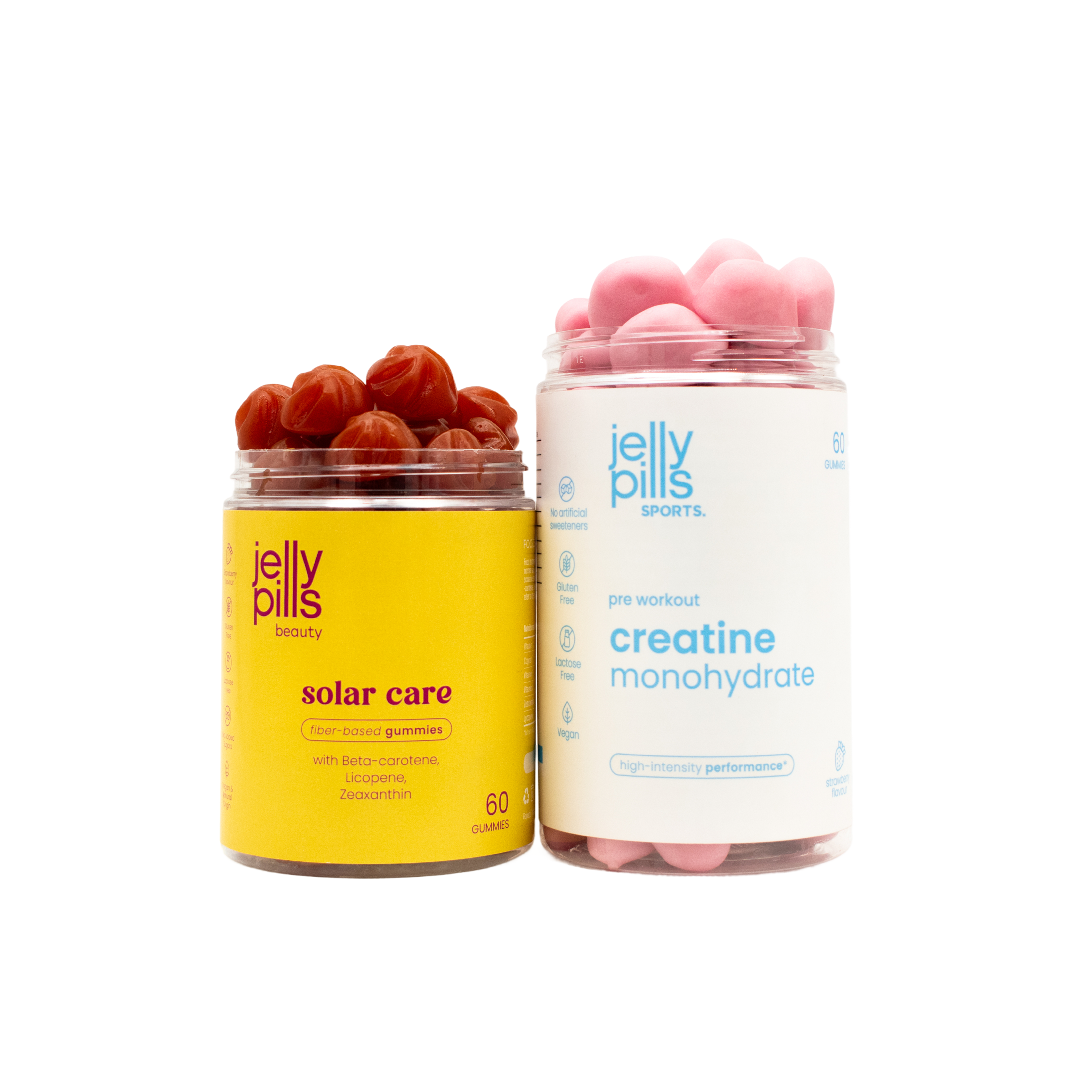
At Jelly Pills you'll find natural supplements formulated in gummy format, a convenient way to take them every day and fit them better into your routine. No huge pills, no unpleasant flavours and no unnecessary complications.
Comparison table of strategies to have more energy during the day
To see clearly the difference between strategies that really work in the long term and those that only give a momentary boost, here's a practical summary:
Strategy |
Type of energy |
Duration of effect |
Sustainable in the long term |
Coffee |
External stimulant |
2-4 hours |
No (creates dependence) |
Balanced diet |
Metabolic |
All day |
Yes |
Proper hydration |
Physiological |
Constant |
Yes |
Moderate exercise |
Hormonal and mitochondrial |
Hours / cumulative |
Yes |
Natural supplements |
Nutritional |
Cumulative (weeks) |
Yes |
Restorative sleep |
Hormonal and cellular |
The whole next day |
Yes |
Time outdoors |
Circadian and mental |
Immediate and cumulative |
Yes |
The difference between coffee and the other strategies is clear: coffee can postpone tiredness for a few hours, while foundational habits work on what's causing it. When you build energy from within, you rely less on external crutches.
How to organise your day to keep your energy steady
Understanding the body's natural rhythms is another great asset. The body doesn't run on linear energy throughout the day: it has periods of greater cognitive activity, creative periods and natural dips that are completely normal.
Generally speaking, the first hours of the morning are ideal for tasks requiring the most concentration and mental effort. The brain is more rested, cortisol levels (the morning alertness hormone) are naturally high and attention is at its peak. Save your most demanding projects for this time.
Mid-morning, a nutritious snack and a glass of water can keep you alert without resorting to more caffeine. After lunch, the dip is physiological and in many cases it's best to accept it with a short break, a few minutes' rest or a short walk. Then the afternoon can be used for more mechanical or creative tasks, where the mind works differently but is still productive.
Practical tip: plan your most demanding tasks for the first two hours of the morning and save meetings or admin tasks for the stretch after lunch. Working with your natural rhythm is a simple way to perform better without forcing yourself so much.
The role of stress in energy depletion and how to manage it
Talking about how to get more energy without mentioning stress would leave out an important part. Sustained stress is one of the biggest energy drains, not only because of how it makes you feel, but because of its effects on sleep, appetite, concentration and body tension.
When the body is in a sustained state of alert, it releases cortisol continuously. That uses up glucose, depletes magnesium reserves, disrupts sleep and keeps the nervous system in a state of activation that isn't designed to be permanent. The result is that strange tiredness of being exhausted but unable to relax, which many people know well.
Managing stress isn't only a question of emotional wellbeing: it's an energy strategy. Small practices such as mindful breathing, moments of digital disconnection, physical movement or simply going for a walk have a direct impact on the regulation of the autonomic nervous system and, therefore, on how energetic you feel throughout the day.
Having energy during the day isn't a genetic privilege or a matter of finding a single solution that fixes everything. It's the result of treating your body well consistently: giving it the nutrients it needs, respecting its rhythms, keeping it hydrated and moving, and protecting its rest. When you start to understand what really gives the body energy, coffee stops being a constant need and becomes simply an optional pleasure.
If you want to take an extra step and support those habits with supplements formulated for daily wellbeing, Jelly Pills offers an easy, enjoyable way to do it. Because looking after yourself can also be simple.